

Phishing attacks remain one of the most persistent and costly threats facing businesses today, and companies in Houston are no exception. As cybercriminals continue to refine their tactics, simply providing phishing awareness training isn’t enough; organizations need to know whether it’s actually working.
So how can you tell if your training is making a real impact? Measuring effectiveness is key to strengthening your organization’s defenses and reducing risk. In this guide, we’ll break down the most important metrics and practical strategies to help you evaluate your program and ensure your employees are truly prepared to spot and stop phishing attempts, rather than leaving security to chance.
Key Takeaways
- Houston businesses face distinct cybersecurity threats, making strong security awareness programs essential
- Phishing simulation click rates serve as a measurable indicator of training effectiveness
- Employee awareness and training success can be assessed through surveys, quizzes, and performance metrics
- Effective phishing awareness programs often include customized training modules and ongoing feedback mechanisms
- Continuous improvement is a core component of maintaining a successful security awareness program
Understanding the Importance of Security Awareness
Houston, a bustling hub of commerce and industry, faces unique cybersecurity challenges that demand robust security awareness programs. Companies here are not just protecting their bottom lines; they’re safeguarding sensitive data and maintaining the trust of their clients. In an era where cyber threats loom large, security awareness becomes the first line of defense.
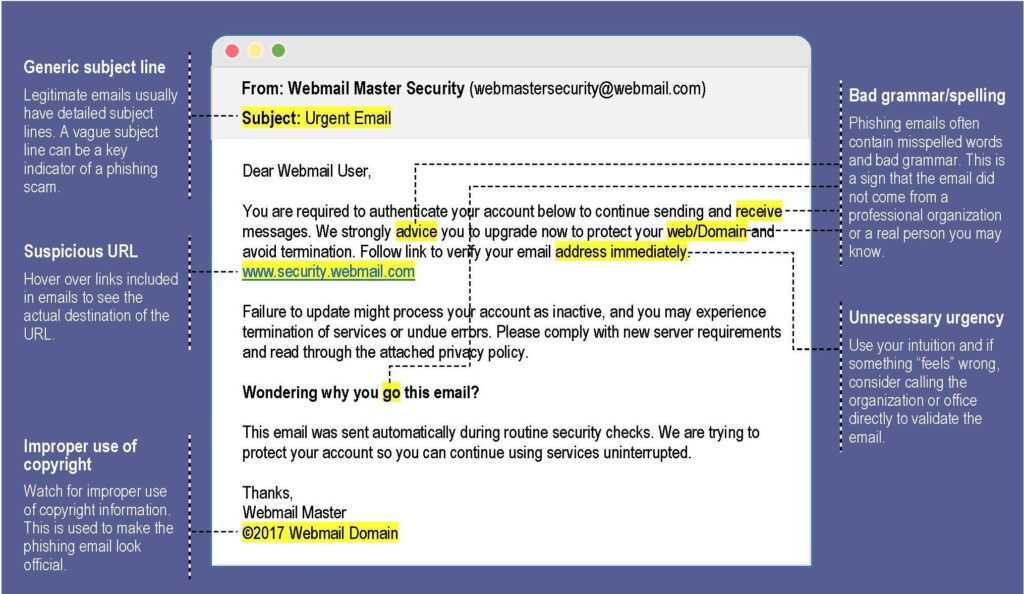
Security awareness programs empower employees to recognize and respond to phishing attempts effectively. With the right training, employees can identify suspicious emails and links, significantly reducing the risk of falling victim to cyber scams. When your workforce is aware, your organization’s overall security posture becomes stronger and more resilient.
Building a Security-First Culture
A strong security culture enhances the resilience of Houston businesses against cyber threats. Prioritizing awareness isn’t just a compliance exercise; it’s about creating an environment where vigilance is second nature. Business leaders play an essential role in reinforcing this mindset, helping protect sensitive data while preserving their company’s reputation and client trust.
Because every organization faces different risks, a one-size-fits-all approach isn’t effective. Cybersecurity experts can provide tailored training that targets specific vulnerabilities within your business. This customized approach ensures your defenses are proactive, equipping employees with the knowledge they need to address real-world threats before they become incidents.
Evaluating Click Rates and Their Impact on Security
Click rates are a simple way to measure how effective your phishing training is. By tracking how many employees click on simulated phishing emails, businesses can gauge overall awareness. Lower click rates usually mean employees are more alert and the training is working.
When click rates decrease, it shows that employees are applying what they’ve learned in real situations. On the other hand, high click rates may indicate that training needs improvement or isn’t keeping up with evolving threats.
By analyzing which emails get the most clicks, cybersecurity teams can identify patterns and adjust training to address specific weaknesses. This data-driven approach helps keep training relevant and effective. Managers can also use click rate trends to understand potential risks better and strengthen defenses. Over time, this supports a more proactive and security-focused workplace.
How to Measure Employee Awareness and Training Success
Measuring the effectiveness of phishing awareness training starts with tracking the right phishing awareness metrics. By combining feedback, testing, and real-world performance data, businesses can better understand how well employees absorb and apply what they’ve learned, making it easier to identify gaps and improve outcomes.
The most effective programs use a mix of phishing awareness metrics, both qualitative and quantitative, to ensure training is engaging and impactful. Below is a simple breakdown of key measurement methods and what they reveal.
| Measurement Method | What It Shows | Why It Matters |
| Quizzes & Assessments | Employee understanding and retention of training material | Identifies knowledge gaps and highlights areas that need reinforcement |
| Surveys | Employee feedback on training engagement and clarity | Helps determine if training is resonating and where it can be improved |
| Phishing Simulation Results | How employees respond to simulated phishing attempts | Reveals real-world readiness and pinpoints behavioral risks |
| Performance Metrics | Trends in employee actions during incidents or simulations | Highlights where additional or targeted training is needed |
| Response Time Tracking | How quickly employees react to potential phishing threats | Measures the practical application of training and the ability to minimize risk |
| Case Study Analysis | Insights from successful training implementations | Provides proven strategies and benchmarks for refining training programs |
Actionable Steps for Improving Phishing Awareness Training
Customized training modules are a game-changer for addressing the specific needs and vulnerabilities of Houston businesses. By tailoring the content to reflect the unique challenges your company faces, you ensure that the training is relevant and impactful. This bespoke approach helps employees relate to the material and see its practical applications.
Interactive training sessions engage employees and enhance knowledge retention. Simply put, people learn better when they’re actively involved. By incorporating interactive elements like quizzes, simulations, and discussions, you make the learning process dynamic and memorable.
Continuous feedback loops help refine training content for maximum impact. Encourage employees to share their thoughts on the training materials and methods. Their insights can highlight what’s working and what isn’t, allowing you to tweak the program for better results.
Business owners should invest in ongoing training to adapt to evolving threats. Cyber threats are constantly changing, and your training program should evolve accordingly. Regular updates and refreshers ensure that employees are always equipped with the latest knowledge and skills to combat new threats.
Collaboration with cybersecurity experts ensures the training remains relevant and effective. These professionals bring a wealth of knowledge and experience to the table, helping to update and refine training content. By partnering with experts, you ensure that your program remains cutting-edge and capable of addressing the latest threats.
The Role of Continuous Improvement in Security Awareness Programs
Continuous improvement is the cornerstone of a proactive security culture within organizations. By regularly evaluating and refining your security awareness program, you create a dynamic environment where employees are always learning and adapting to new threats.
Regular updates to training materials keep employees informed about new phishing tactics. Cybercriminals are constantly evolving their strategies, and your training materials need to reflect these changes. By keeping the content fresh and relevant, you ensure that employees are prepared for the latest threats.
Feedback from employees plays a crucial role in refining and enhancing training programs. Encourage open communication and solicit feedback regularly. Employees on the front lines can provide valuable insights into the effectiveness of the training and suggest areas for improvement.
IT professionals can implement iterative processes to strengthen the overall security posture. By adopting a cycle of planning, executing, reviewing, and refining, you create a robust framework for continuous improvement. This iterative approach ensures that your security measures evolve alongside the threat landscape.
Houston businesses benefit from a dynamic approach that evolves with the threat landscape. By embracing continuous improvement, you ensure that your organization remains resilient and capable of adapting to new challenges. This forward-thinking approach not only strengthens security but also fosters a culture of vigilance and preparedness.
Phishing Awareness Questions
What are the metrics for phishing?
When evaluating phishing, key metrics include click rates, reporting rates, and time-to-report. Click rates indicate the percentage of employees clicking on phishing emails. Reporting rates show how many employees identify and report these emails. Time-to-report measures how quickly employees report suspicious emails, helping businesses understand their response speed. Monitoring these training metrics provides insights into employee awareness and training effectiveness, ensuring the organization stays secure against phishing threats.
What are the key components of an effective phishing prevention strategy?
An effective phishing prevention strategy is built on four essential components: People, Policy, Procedure, and Practice. People focus on educating employees about phishing tactics and how to recognize them. Policy involves establishing clear guidelines for handling suspicious emails and communications. The procedure outlines the specific steps employees should take when they encounter a potential threat. Practice reinforces learning through regular simulations and ongoing training. Together, these elements form a well-rounded approach to reducing phishing risks.
What is the most important metric in a phishing simulation?
The most critical metric in phishing simulations is the click rate. It reflects how many employees fall for phishing attempts, directly indicating the effectiveness of training programs. A lower click rate suggests better awareness and understanding of phishing tactics among employees. Regular monitoring helps businesses adjust their training strategies to improve resilience against real-world phishing threats.
Which metric best measures phishing resilience?
Reporting rate is the best metric for measuring phishing resilience. It demonstrates employees’ ability to recognize and report phishing attempts. A high reporting rate indicates a heightened awareness and proactive stance against phishing, showing the effectiveness of training initiatives. Businesses aiming to enhance their security posture should focus on improving this metric over time.
How can businesses tell if phishing training is working?
Businesses can assess the effectiveness of phishing training by analyzing changes in key metrics over time. A decrease in click rates, an increase in reporting rates, and a faster time-to-report indicate successful training outcomes. Additionally, employee feedback and engagement during training sessions can provide qualitative insights into the program’s impact. Regular assessments ensure that training remains relevant and effective in countering evolving phishing threats.
Measuring the Effectiveness of Phishing Awareness Training in Houston
Measuring the effectiveness of phishing awareness training is essential for Houston businesses looking to strengthen their cybersecurity defenses. By leveraging phishing awareness metrics like click rates, reporting rates, and employee performance data, organizations can gain clear insights into what’s working and where improvements are needed. A consistent, data-driven approach ensures employees are not only trained, but truly prepared to respond to evolving threats.
As a cybersecurity-focused provider serving businesses in Houston, we understand the importance of building strong, measurable security awareness programs tailored to local risks. Our team works closely with organizations to develop strategies that align with their unique vulnerabilities and goals.
Are you confident your phishing security awareness training is delivering real results? Request a consult today and start building a more resilient, security-aware workforce.

Amy Passmore is the Chief Executive Officer and Integrator of Enstep Technology Solutions, where she has been a key leader since the company’s founding. She has overseen core operational and financial functions from day one and now leads the company’s continued growth in managed IT services. Outside of work, she supports inclusion in her community by managing the Texas Power Soccer Association and coaching the Houston Fireballs Power Soccer Club.


