
Cyber threats are a growing risk for every business, and phishing is one of the most common and dangerous. These attacks often target employees, tricking them into giving away sensitive information. Businesses in Houston are no exception.
That’s why training your team to spot deceptive emails is essential. With the right knowledge, your employees can help protect your company and prevent costly security breaches. How can one simple email cause so much damage?
Key Takeaways
- Phishing poses a significant risk to company security and operations
- Phishing attacks come in multiple forms, each with distinct tactics
- Employee awareness plays a critical role in preventing phishing incidents
- Phishing attempts often share recognizable warning signs
- Interactive training improves employee understanding and retention
Understanding Phishing and Its Impact on Your Company
Phishing is a common cyberattack used to steal sensitive information like login credentials or financial data. These attacks often appear as legitimate messages, making them difficult for employees to recognize.
Because employees are frequently targeted, phishing remains one of the easiest ways for attackers to gain access to company systems. A single mistake can lead to unauthorized access, data breaches, and serious business disruption.
The financial impact of phishing can be substantial, with businesses losing significant revenue due to fraud, recovery efforts, and downtime. For companies handling sensitive data, the risks are even higher.
Beyond financial loss, phishing attacks can damage customer trust, harm your reputation, and create legal challenges. Understanding these risks highlights why phishing remains a major concern for businesses.
Common Types of Phishing Attacks to Watch Out For
Phishing attacks come in several forms, and each one uses a slightly different approach to trick employees. While they may look legitimate at first glance, their goal is always the same, steal sensitive information. Understanding these common types can make them much easier to recognize.
| Phishing Type | How It Works | Why It’s Effective |
| Email Phishing | Fraudulent emails that appear to come from trusted sources, often including malicious links or attachments | It relies on familiarity with common brands or internal communications |
| Spear Phishing | Highly targeted emails personalized to a specific individual or role | Personal details make the message more believable and harder to detect |
| Smishing | Scam messages sent via text (SMS), often with links or urgent requests | Mobile users are more likely to click quickly without verifying |
| Vishing | Phone calls from scammers posing as trusted contacts like IT or leadership | Exerts authority and urgency to pressure for quick decisions |
| Clone Phishing | Replicated legitimate emails with altered links or attachments | Familiar context lowers suspicion and increases trust |
Each of these phishing methods takes advantage of trust, urgency, or familiarity to succeed. By recognizing how they work, employees can better identify suspicious activity before it leads to a breach. Awareness of these tactics is a key step in reducing overall cybersecurity risk.
Why Phishing Awareness Training is Crucial for Employees
Phishing awareness training is a key part of any strong cybersecurity strategy, not just a box to check. It helps employees recognize suspicious messages and respond appropriately, reducing the chances of a successful attack. Well-informed employees act as the first line of defense. When they understand how phishing works, they’re more likely to catch significant threats early and prevent them from spreading, protecting both sensitive data and daily operations.
Training also plays a major role in lowering the risk of costly data leaks. Cyber incidents can be expensive to fix, but educating your team helps minimize those risks and supports long-term business stability. Another important benefit is improving how employees report potential threats. When staff feel confident in identifying and reporting suspicious activity, it allows IT teams to respond faster and more effectively.
Beyond individual knowledge, consistent training helps build a culture of cybersecurity. When everyone understands their role in protecting the company, overall security measures become stronger and more proactive.
Key Indicators of Phishing Attempts
Spotting phishing attempts starts with knowing what to look for. Many phishing emails appear legitimate at first, but small details often reveal the truth. Paying attention to these warning signs can help prevent costly mistakes.
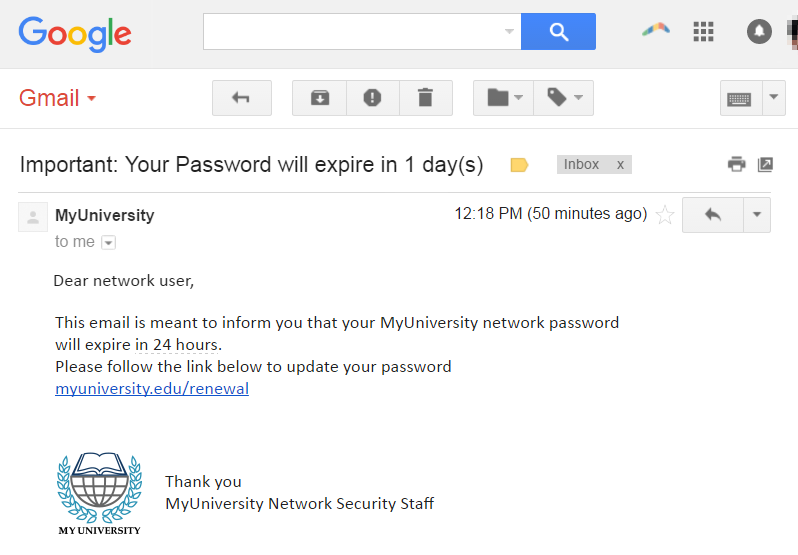
Common red flags include unusual sender addresses, especially ones that look similar to trusted contacts but have slight changes. Messages that create urgency, like threats or “act now” language, are also a major warning sign.
Be cautious with unexpected attachments or links, as they may contain malware or lead to fake websites. Emails that ask for sensitive information, such as passwords or financial details, should always be treated as suspicious. Poor spelling and grammar can also indicate that something isn’t right.
The 4 P’s of Phishing
A simple way to remember phishing tactics is the “4 P’s.” It provides an easy framework for identifying suspicious messages at a glance. This approach helps employees quickly assess potential threats before taking action.
- Pretend – The attacker pretends to be a trusted person or company
- Problem – They create a problem or sense of urgency
- Pressure – They push you to act quickly without thinking
- Payoff – Their goal is to steal information or gain access
Understanding these patterns makes it easier to recognize phishing attempts before they cause harm. The more familiar employees are with these tactics, the quicker they can spot and avoid them. Over time, this awareness helps create stronger, more consistent security habits across your organization.

Engaging Employees in Interactive Awareness Training
Interactive programs are essential for effective phishing awareness for employees, giving them hands-on experience to identify and respond to potential threats. Simulated phishing emails, quizzes, and real-world scenarios help employees understand the dangers of phishing while practicing safe responses, improving knowledge retention, and revealing areas that may need extra attention.
Incorporating security awareness training through collaborative sessions encourages discussion and peer learning, while reward systems motivate employees to actively participate and apply what they’ve learned. When paired with strong endpoint protection, this interactive approach strengthens overall cybersecurity, empowering employees to act as the first line of defense and protect the organization from evolving cyber threats.
Phishing Attacks Questions
How do phishing attacks trick employees?
Phishing attacks manipulate employees by exploiting trust and creating a sense of urgency. Scammers often impersonate trusted contacts or organizations, use convincing language, and pressure recipients to act quickly. They may also offer fake rewards or requests for sensitive information to entice action. Recognizing these tactics helps employees avoid falling victim and strengthens overall cybersecurity awareness.
What are the best practices for phishing awareness?
To boost phishing awareness, conduct regular training sessions and simulations to keep employees alert. Encourage them to scrutinize email addresses and links before clicking. Reinforce the importance of not sharing personal or financial information through email. Implement a strong spam filter and maintain open communication channels for reporting suspicious activity. Keeping security software up-to-date also plays a crucial role in safeguarding against threats.
What are the key signs of phishing?
Spot phishing attacks by looking for these five signs: unexpected emails from unknown senders, requests for sensitive information, poor grammar or spelling, suspicious links or attachments, and urgent or threatening language. Always verify the sender’s identity and scrutinize any unusual requests, especially if they involve sharing passwords or personal data. Staying vigilant can help prevent falling for these scams.
How can employees prevent phishing attacks?
Employees can prevent phishing attacks by being cautious and informed. Always verify the sender’s email address and avoid clicking on unfamiliar links. Use multi-factor authentication for added security. Report any suspicious emails to the IT department immediately. Regular training and updates on the latest phishing tactics can empower employees to recognize and thwart potential threats effectively.
What does a phishing email look like?
A phishing email often mimics legitimate communication but contains subtle red flags. Look for inconsistencies in the sender’s email address, generic greetings instead of personalized ones, and a sense of urgency prompting immediate action. The email may also include poor grammar, unexpected attachments, or links leading to unfamiliar websites. These elements are designed to trick recipients into divulging personal information.
Phishing Awareness for Employees
Phishing awareness for employees is a essential part of protecting any organization from cybercrime. By understanding the dangers of phishing, recognizing common attack types, and engaging in interactive security awareness phishing training, employees become a strong first line of defense. Combining this knowledge with proper endpoint protection helps minimize risks and safeguard sensitive information.
As an IT solutions provider in Houston, we focus on helping local businesses implement effective cybersecurity strategies, including phishing awareness programs tailored for employees.
Ready to strengthen your team’s cybersecurity? Request a consult and take the first step toward protecting your business.