
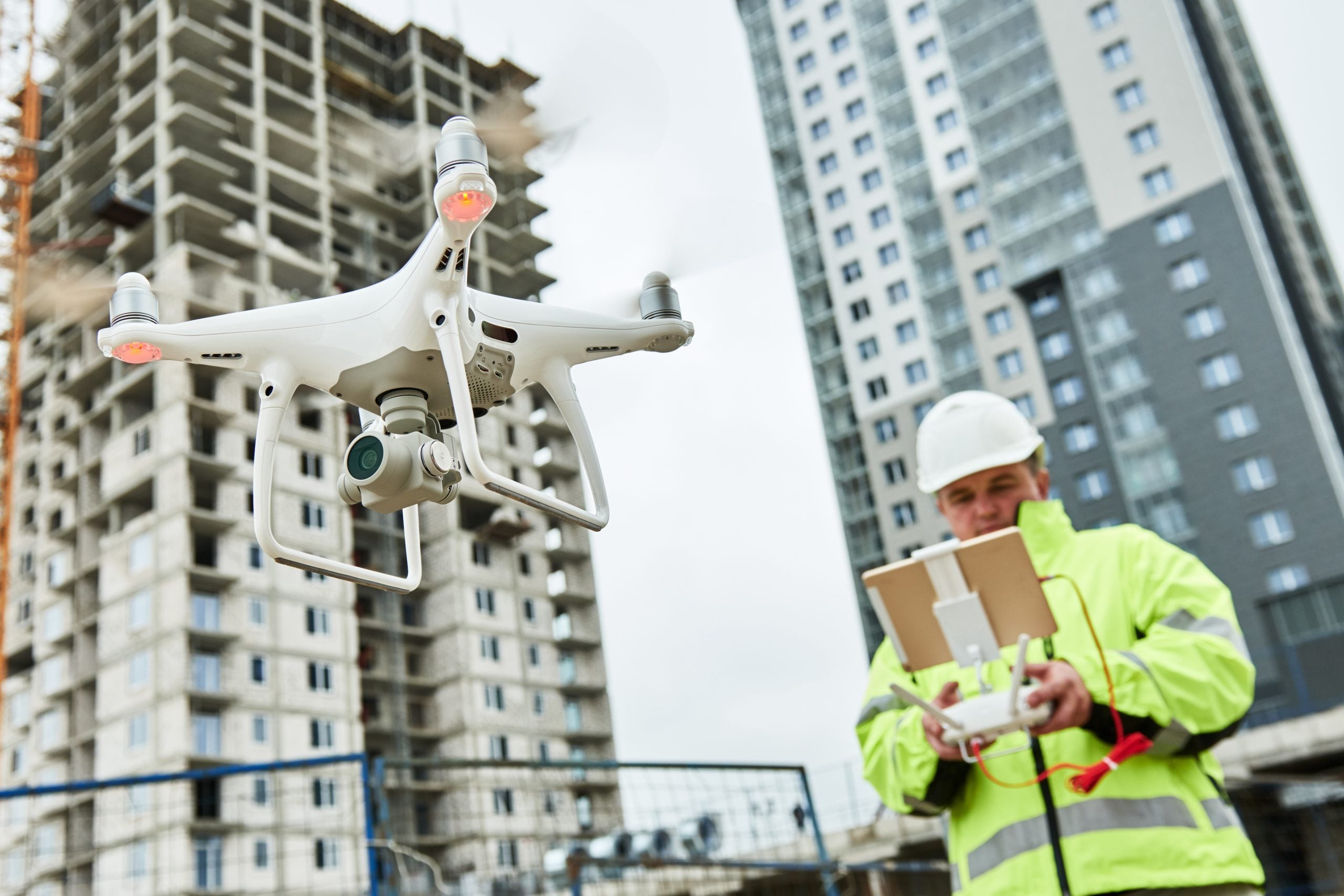
Information technology (IT) is reshaping the construction industry. It helps replace manual work, improves communication, and boosts efficiency. With the right tools, companies can work faster, reduce mistakes, and manage jobs more easily.
This blog explains the key ways IT is improving construction.
Advancements in Construction Technology
Modern tech tools are changing how jobs are done. They save time, increase accuracy, and improve teamwork.
Examples of New Tools
- Robots and automation – handle bricklaying, concrete work, and heavy lifting
- Drones – map sites, check progress, and spot safety issues
- IoT devices – track site conditions, equipment, and worker safety
- 3D printing – builds parts and structures faster
- Augmented reality (AR) – lets teams view designs on site
Building Information Modeling (BIM)
BIM creates detailed 3D building models. It helps teams plan, detect issues early, and make better decisions.
BIM benefits:
- Better team communication
- Fewer design errors
- Faster project planning
- Easier maintenance and building updates
Enhanced Project Planning and Design
IT tools help teams plan projects more accurately and avoid costly mistakes.
Key Benefits
- More accurate cost estimates with data and software
- Virtual reality (VR) to explore designs before building
- Cloud tools to share files and updates in real-time
These tools reduce rework, help teams stay aligned, and improve client satisfaction.
Streamlined Construction Processes
Construction is being transformed by automation and robots, which automate monotonous operations and increase productivity. Robotic systems execute labor-intensive operations such as bricklaying, concrete pouring, and material handling, saving manpower and increasing production. Automation increases precision, quality, and project timelines while reducing costs.
Adopting Internet of Things (IoT) devices enable construction projects to gather and analyze data in real-time. Temperature, humidity, machine performance, and worker safety may all be improved by sensors and wearables. Real-time data analysis enables construction professionals to make educated decisions, streamline processes, and manage resources more efficiently.
Drones are transforming the construction industry by doing site inspections and monitoring. Unmanned aerial vehicles (UAVs) take high-resolution photos, videos, and 3D maps of construction sites, allowing for thorough project evaluation. Drones speed up inspections, discover flaws, track progress, and improve communication among project teams, increasing efficiency and lowering risks.
IT applications that use wearable gadgets, smart helmets, and real-time tracking systems dramatically improve construction safety. These devices monitor employees’ vital signs, detect risks, and warn emergency services. Safety training and practices are delivered using interactive digital platforms, ensuring workers have access to up-to-date rules and creating a safer work environment. IT applications are critical in reducing hazards and guaranteeing worker safety on construction sites.
Efficient Resource Management
Using RFID tags, barcode systems, and GPS technology, IT provides real-time tracking and optimization of building supplies and construction equipment. This reduces waste, improves inventory management, and optimizes resource allocation, leading to cost savings and shorter project schedules.
Smart sensors coupled with IT systems improve energy management and encourage environmentally friendly construction. These sensors monitor and adjust energy use, temperature, and lighting, therefore decreasing environmental impact and increasing energy efficiency. Construction businesses use data from smart sensors to make educated decisions that reduce energy use and increase sustainability.
Construction organizations may use predictive analytics in conjunction with IT to provide proactive maintenance and asset management. Predictive analytics systems estimate equipment breakdowns and prescribe maintenance plans by examining past data and sensor inputs. This proactive strategy reduces downtime, increases asset longevity, and boosts project productivity.
Technology Solutions for the Construction Industry
With breakthroughs in artificial intelligence (AI), machine learning, and blockchain, the future of IT in construction seems bright. These tools will help with project planning, resource management, and collaboration. To remain competitive, construction firms must adopt IT and invest in infrastructure and training. The industry can deliver projects more effectively, sustainably, and securely by using IT’s capabilities.
Contact us to start improving your construction technology with Enstep’s solutions.

Amy Passmore is the Chief Executive Officer and Integrator of Enstep Technology Solutions, where she has been a key leader since the company’s founding. She has overseen core operational and financial functions from day one and now leads the company’s continued growth in managed IT services. Outside of work, she supports inclusion in her community by managing the Texas Power Soccer Association and coaching the Houston Fireballs Power Soccer Club.